We Are the Flood
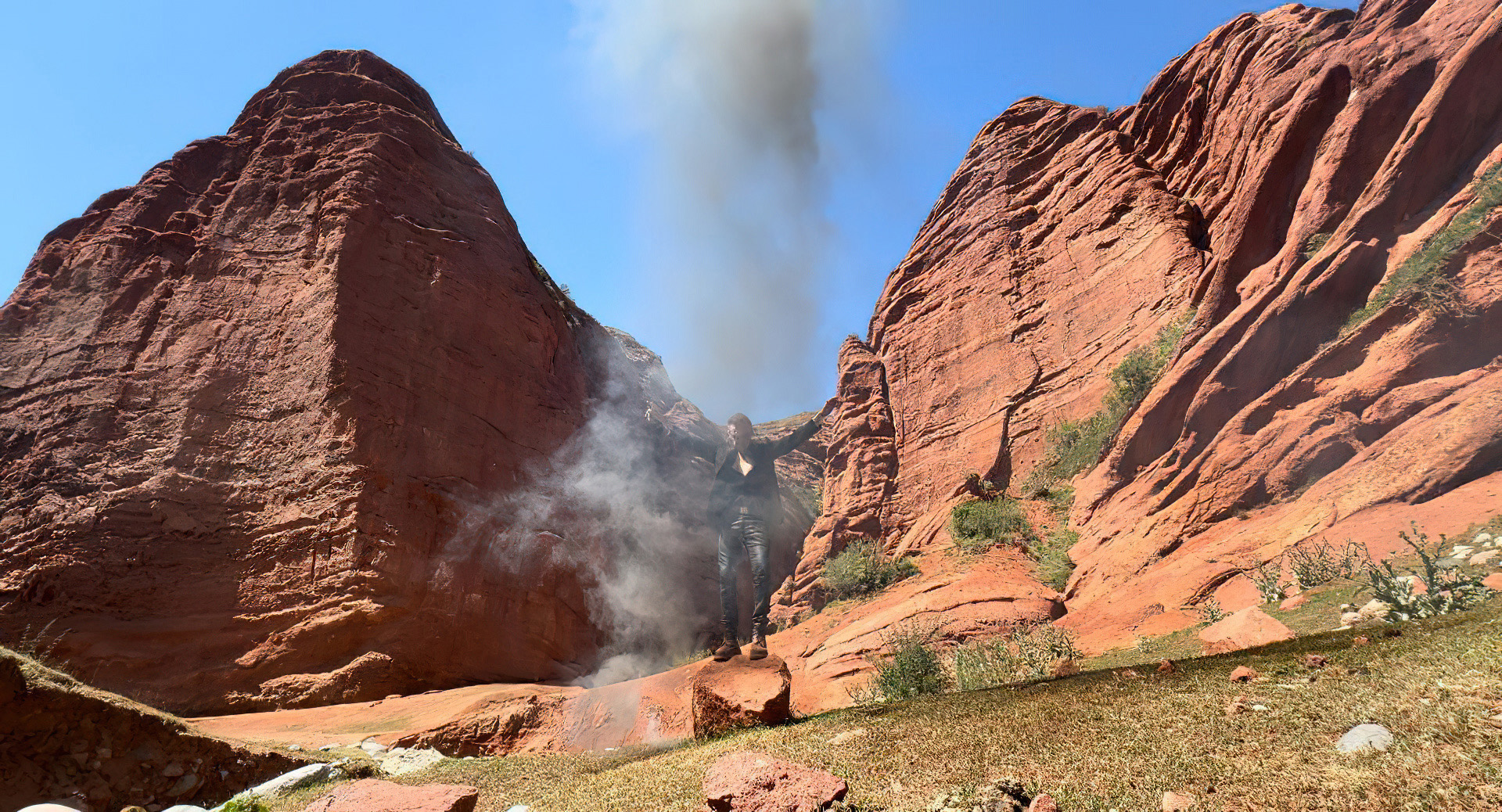
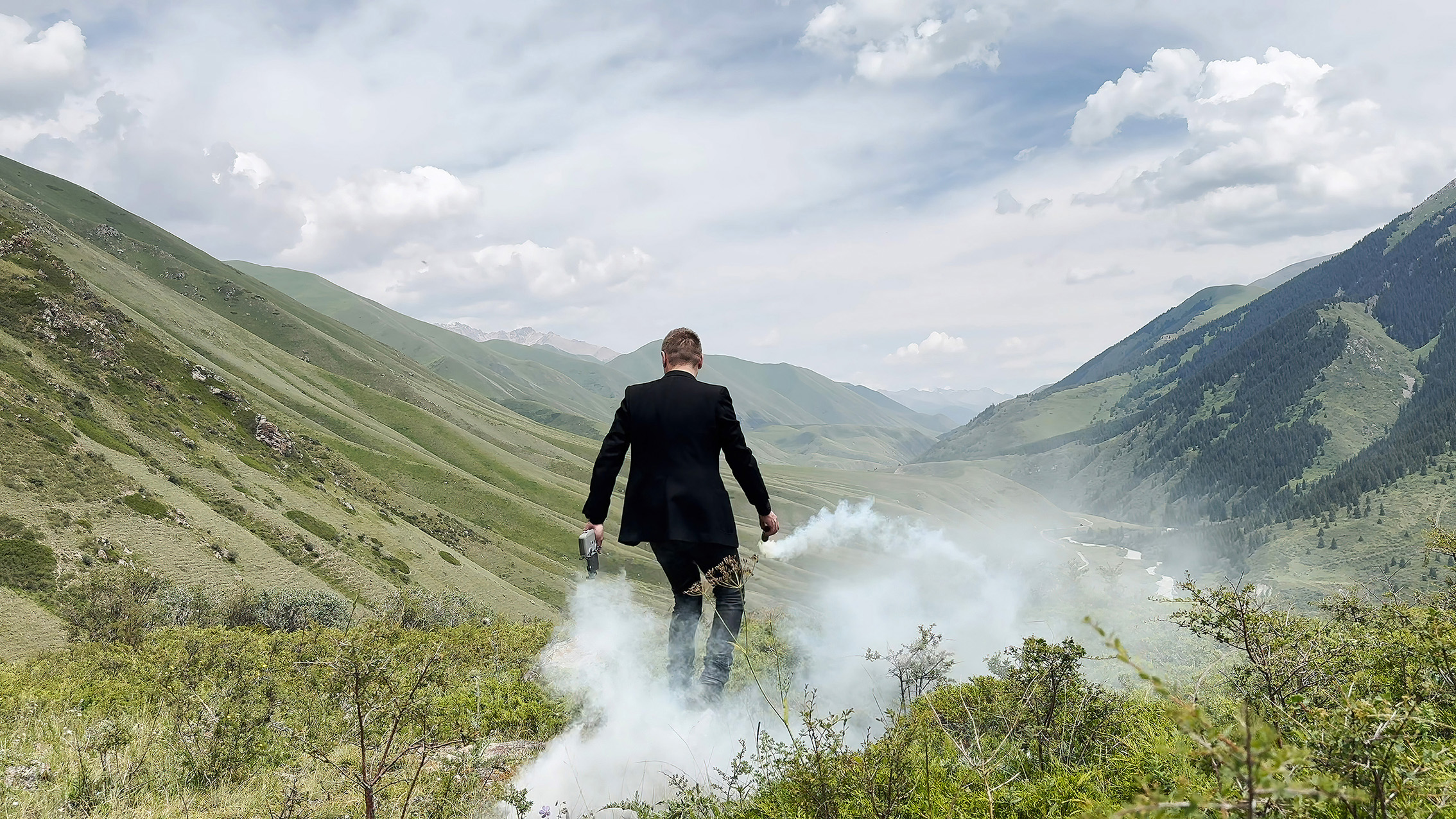
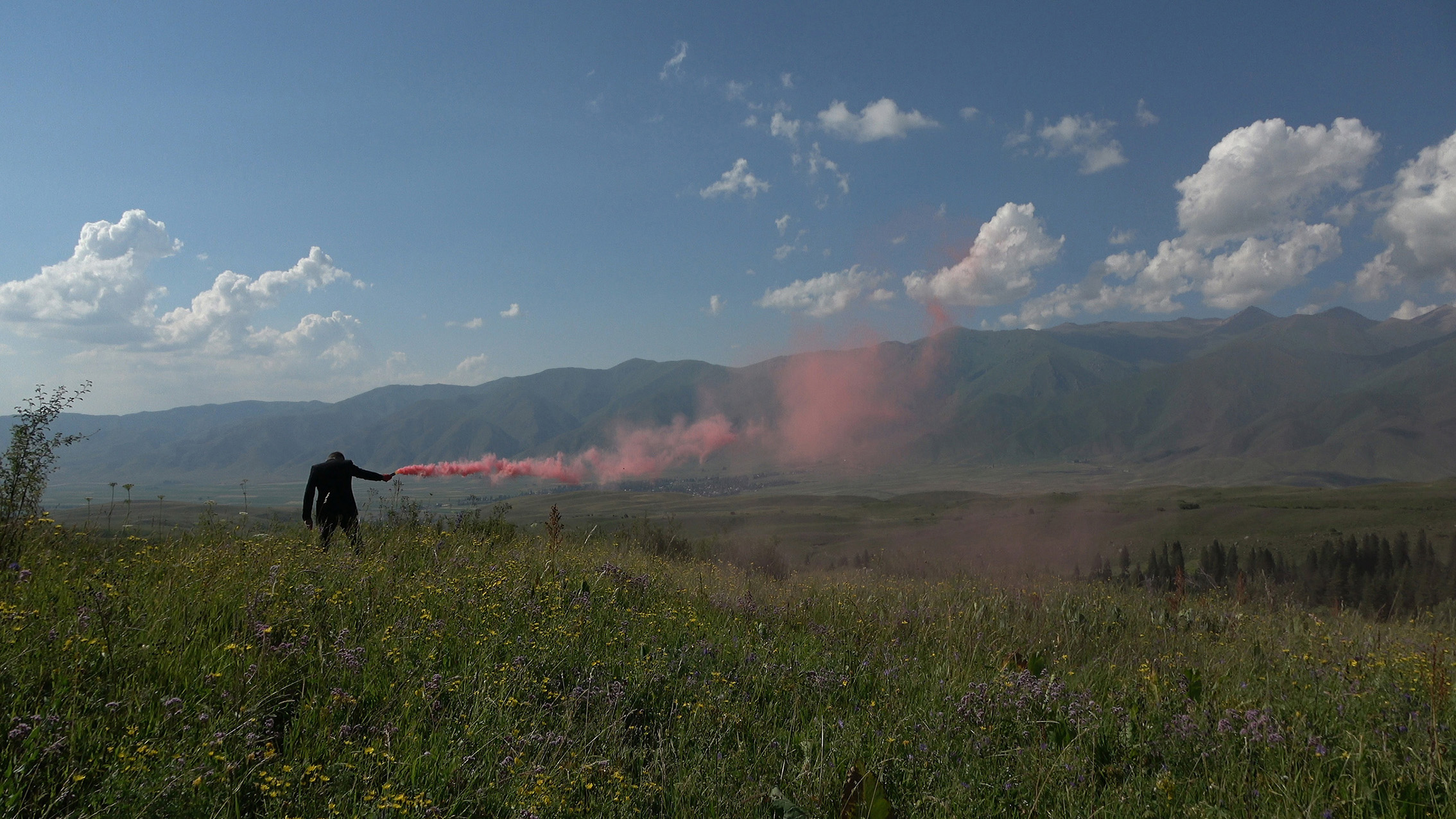
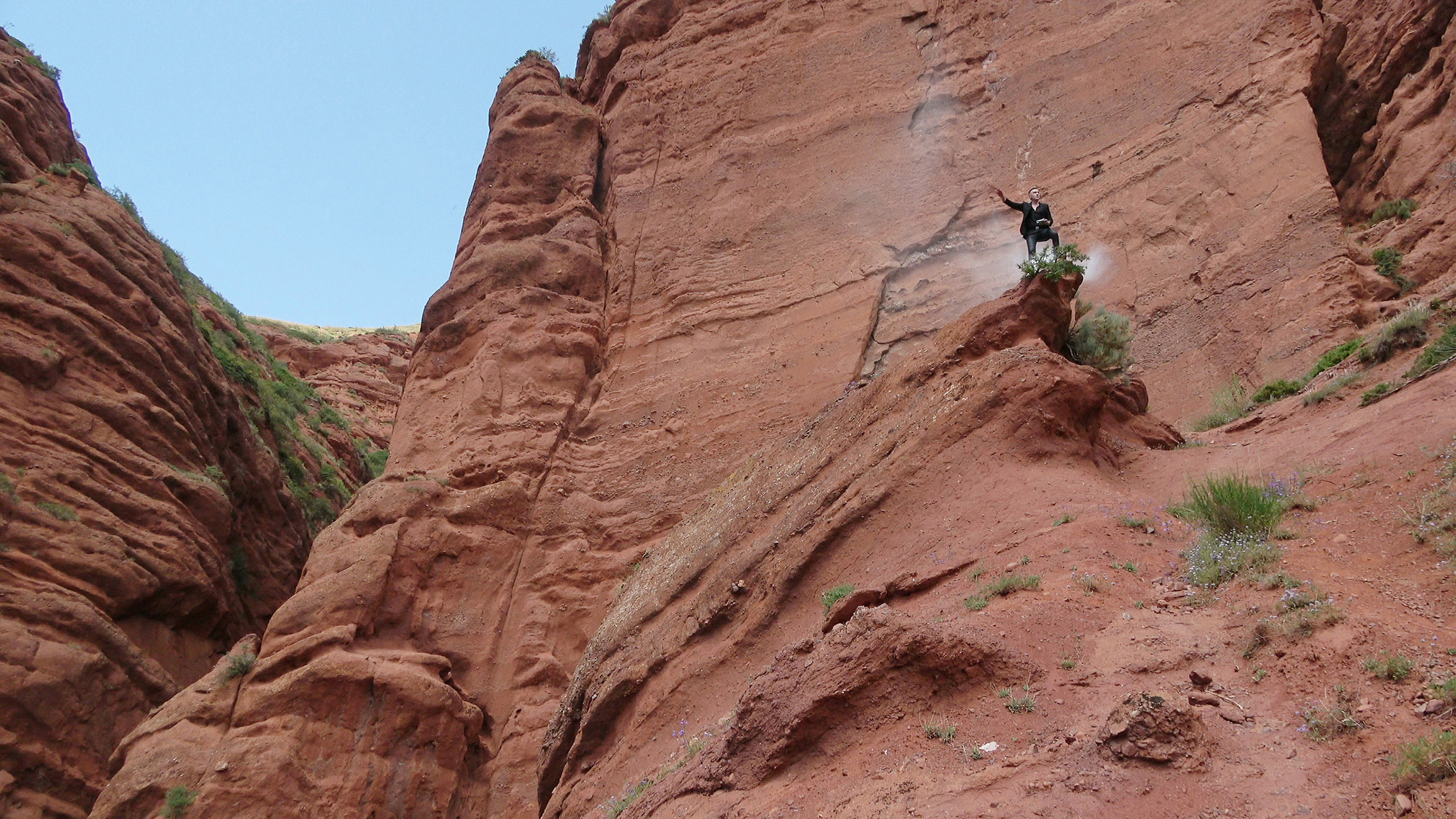
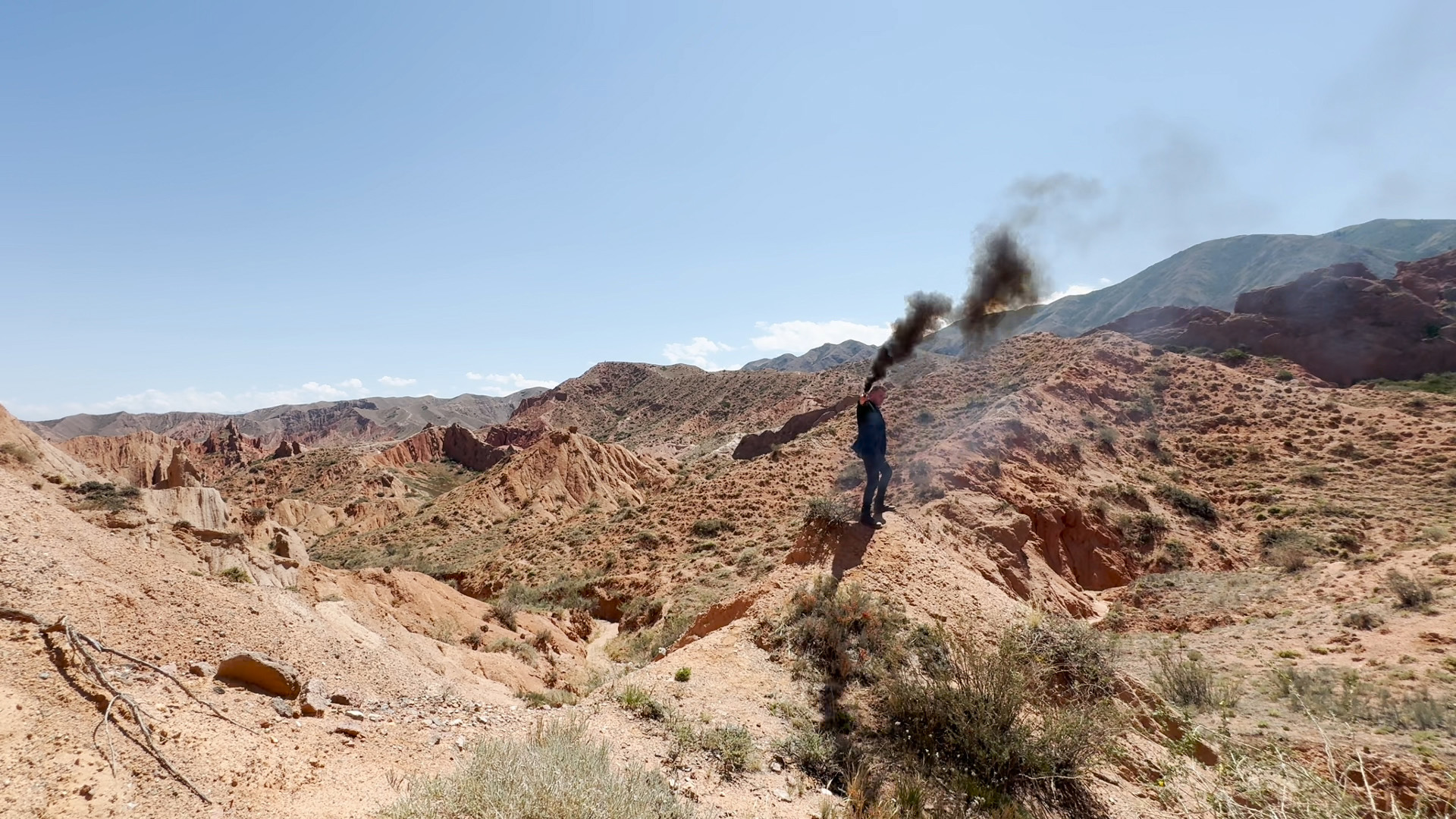
Stefano Cagol, We Are the Flood. Kyrgyzstan, 2024
«Sono in Kirghizistan e mi perdo nella steppa,
fino al cuore del mondo, tra terra e cielo. Montagne celesti:
questo è il significato di Tien Shan, il nome della catena
montuosa che attraversa il Paese, in cinese perché tocca anche
lo Xinjiang oltre confine, essendo cinque volte più lunga delle
Alpi. Appena ho visto queste montagne, mi hanno ricordato le mie
Alpi, anche se non fanno parte del sistema alpino-himalayano e
sono più antiche, generate dall'orogenesi ercinica che, come
quella caledoniana che ho incontrato un anno fa in Norvegia, è
avvenuta prima della comparsa dei dinosauri. Arrivare allo Tien
Shan, al centro dell'Eurasia, dopo mesi di pianificazione e
viaggio da novembre a oggi, è anche un viaggio a ritroso nel
tempo. Questa in Kirghizistan è l'ultima tappa del mio progetto
lungo un anno "Noi siamo il Diluvio". In definitiva, i quattro
punti del pianeta che ho toccato sono angoli di paradiso che
resistono, culle di cultura che resistono.»
Stefano Cagol in Kirghizistan ha intrapreso un
viaggio di 1500 km in una dozzina di giorni tra valli, laghi,
passi montani, rocce brulle e praterie. Ha lasciato la capitale
per immergersi nell'ambiente scarsamente antropizzato delle
valli montane. Ecco alcuni dei luoghi toccati: Gola di
Grigoryevskoe, Ozero Dzhashil', Dzhetyoguz, Canyon Skazka
(Fairytale Canyon), Rocce di Jeti-Ögüz (Seven Bull Rocks), Kara
Talaa, Karakol e Lago Issyk-Kul.
Raccontato da un saggio di Timothy Morton, We
Are the Flood è un progetto multi-sito esteso ai quattro
angoli del pianeta, tra deserti, giungle primordial e iceberg
millenari, guardando al molto prima di noi e pensando al dopo.
Spingendosi lontano dai segni della civiltà attuale, a confronto
con manifestazioni geologiche, naturali e umane, ha esorcizzato
l’aggressività dell’essere umano contemporaneo, in un mare di
fosca nebbia artificiale o con bombolette spray di dolce profumo
che si rivelano armi di fuoco.
In collaborazione con MAC Lissone, Darb 1718, Port Perak,
Ilulissat Art Museum e Б’Art Contemporary.
Con il supporto dell’Italian Council.
Parte di un progetto a lungo termine, che include una
piattaforma a MUSE Museo delle Scienze di Trento dal 2021.
«I am in Kyrgyzstan and I am getting lost in the
steppe, up to the heart of the world, between earth and sky.
Heavenly mountains: this is the meaning of Tien Shan, the name
of the mountain range that crosses the country, in Chinese
because it also touches Xinjiang beyond the border, being five
times longer than the Alps. As soon as I saw these mountains,
they reminded me of my Alps, even if they are not part of the
Alpine-Himalayan system and are older, generated by the
Hercynian orogeny, which, like the Caledonian one I encountered
a year ago in Norway, occurred before the appearance of the
dinosaurs. Arriving at the Tien Shan, in the center of Eurasia,
after months of planning, travel, performances from November to
today, is also a journey back in time. This in Kyrgyzstan is the
last stop of my year-long-project “We are the Flood.”
Ultimately, the four points of the planet I have touched are
corners of paradise that resist, cradles of culture that
resist.»
Stefano Cagol in Kyrgyzstan undertook a journey
of 1500 km in a dozen days between valleys, lakes, mountain
passes, barren rocks and prairies. He left the capital to
immerse himself in the sparsely anthropized environment of the
mountain valleys. Here are some of the places he touched: Gorge
Grigoryevskoe, Ozero Dzhashil', Dzhetyoguz, Canyon Skazka
(Fairytale Canyon), Jeti-Ögüz Rocks (Seven Bull Rocks), Kara
Talaa, Karakol and Lake Issyk-Kul.
Completed by an essay by Timothy Morton, We
Are the Flood is an extensive multi-site project in the
four corners of the planet, among deserts, primordial jungles,
and millennial icebergs, looking back to the long before us and
contemplating the aftermath. The artist has exorcised the
aggression of contemporary humanity, with fire on one hand and a
drone remote control in the other.
In collaboration with MAC Lissone, Darb 1718, Port Perak,
Ilulissat Art Museum and Б’Art Contemporary.
With the support of the Italian Council.
It is integrated into a long-term multifaceted project,
including a platform at the MUSE Science Museum since 2021.